Have you ever looked up at the sky and felt inspired to capture those fluffy, drifting clouds on paper? Cloud drawing isn’t just child’s play—it’s a powerful way to blend art, science, and mindfulness. Let’s explore how you can master this serene yet expressive form of creativity.
What Is Cloud Drawing and Why It Matters

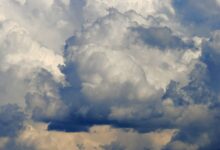
Cloud drawing is the artistic practice of observing, interpreting, and rendering clouds in various forms—whether through sketches, paintings, or digital illustrations. It goes beyond mere doodling; it’s a bridge between nature and imagination, science and artistry. Artists, meteorologists, and educators alike use cloud drawing to understand atmospheric patterns, express emotions, or simply enjoy the meditative rhythm of sketching the sky.
The Artistic Definition of Cloud Drawing
From an artistic standpoint, cloud drawing captures the ethereal quality of clouds using techniques like shading, blending, and contouring. It emphasizes light, volume, and movement. Unlike rigid geometric forms, clouds are fluid and ever-changing, making them a challenging yet rewarding subject for artists at any level.
- Focuses on texture, light, and shadow
- Encourages observational skills
- Used in plein air (outdoor) sketching traditions
Artists like John Constable and J.M.W. Turner famously used cloud studies to inform their larger landscape paintings. Their detailed cloud drawings helped them master atmospheric perspective and natural lighting.
Scientific and Educational Value
Cloud drawing isn’t just for artists. Meteorologists and educators use it as a tool for teaching weather patterns and cloud classification. The World Meteorological Organization (WMO) even encourages cloud observation programs in schools to promote climate awareness.
By drawing clouds, students learn to identify types like cumulus, stratus, and cirrus—skills that form the foundation of weather prediction. Programs like GLOBE Observer invite citizens to submit cloud drawings and photos to help NASA validate satellite data.
“Drawing clouds teaches us to see, not just look.” — John Ruskin, art critic and geologist
History and Evolution of Cloud Drawing
The practice of cloud drawing dates back centuries, evolving alongside our understanding of the atmosphere and artistic techniques. What began as symbolic representations in ancient art has transformed into a precise observational science and a celebrated artistic genre.
Early Depictions in Art and Culture
In ancient Egyptian, Chinese, and Greek art, clouds were often stylized symbols rather than realistic depictions. They represented divine presence, weather gods, or spiritual realms. For example, in Chinese ink painting, wispy clouds symbolized the flow of qi (life energy) and were drawn with soft, flowing brushstrokes.
During the Renaissance, artists began to study clouds more realistically, influenced by the era’s focus on naturalism and perspective. Leonardo da Vinci filled his notebooks with cloud sketches, noting their shapes, movements, and interactions with light.
The Romantic Era and the Rise of Sky Studies
The 18th and 19th centuries marked a turning point for cloud drawing. The Romantic movement celebrated nature’s beauty and emotional power, and artists like John Constable made cloud studies a central part of their practice.
Constable’s oil sketches of the sky over Hampstead Heath are now considered masterpieces of meteorological art. He labeled each sketch with the date, time, wind direction, and weather conditions—blending art and science in a way that was revolutionary for his time.
- Constable produced over 100 cloud studies between 1821–1822
- He believed “the sky is the chief organ of sentiment” in landscape painting
- His work influenced Impressionists like Monet
Types of Clouds and How to Draw Them
To draw clouds effectively, you must first understand their types. The International Cloud Atlas, maintained by the WMO, classifies clouds into ten basic genera based on shape, altitude, and formation. Each type offers unique visual characteristics that influence your drawing approach.
Cumulus: The Fluffy Giants
Cumulus clouds are the classic “cotton ball” clouds—puffy, white, and often associated with fair weather. They form at low altitudes (below 2,000 meters) due to convection currents.
When drawing cumulus clouds, focus on their three-dimensional form. Use soft shading to show volume, with bright highlights on top and darker tones underneath to suggest depth.
- Use a kneaded eraser to lift graphite and create soft edges
- Avoid hard outlines—clouds don’t have sharp borders
- Emphasize the contrast between light and shadow
For inspiration, study Met Office’s cloud identification guide, which includes detailed illustrations.
Stratus: The Blanket Clouds
Stratus clouds form flat, gray layers that cover the sky like a blanket. They often bring overcast conditions and light drizzle. Drawing stratus clouds requires a different technique—focus on subtle tonal gradations rather than defined shapes.
Use soft pencils (2B–6B) or charcoal to create even, smoky textures. Blend with a tissue or blending stump for a smooth, hazy effect. Stratus clouds are ideal for practicing atmospheric perspective and mood-setting in landscapes.
“The difference between a stormy sky and a peaceful one lies in the stratus layer.” — Atmospheric artist Elena Torres
Cirrus: The Feathered High-Altitude Clouds
Cirrus clouds form high in the troposphere (above 6,000 meters) and are made of ice crystals. They appear thin, wispy, and feathery, often signaling a change in weather.
When drawing cirrus clouds, use fine lines and delicate hatching. A mechanical pencil or fine liner pen works well. Focus on their directional flow—cirrus often align with jet streams, so their streaks follow a consistent angle.
- Use minimal pressure for a light, airy feel
- Incorporate faint curves to mimic wind patterns
- Leave plenty of white space to suggest transparency
Essential Tools and Materials for Cloud Drawing
The right tools can elevate your cloud drawing from amateur to professional. While you can sketch clouds with just a pencil and paper, investing in quality materials enhances texture, depth, and realism.
Traditional Drawing Supplies
For traditional cloud drawing, artists often use graphite pencils, charcoal, or soft pastels. Each medium offers unique advantages:
- Graphite Pencils (2H to 6B): Ideal for detailed cloud studies. Use harder pencils (H series) for light outlines and softer ones (B series) for shading.
- Charcoal: Creates dramatic contrasts and deep shadows, perfect for storm clouds or twilight skies.
- Blending Stumps and Tortillons: Essential for smoothing gradients and creating soft cloud edges.
- Kneaded Eraser: Lets you lift graphite to create highlights and misty effects.
Paper choice matters too. Use textured paper (like Bristol or watercolor paper) to hold graphite better and create more realistic cloud textures.
Digital Tools and Software
Digital cloud drawing has gained popularity with the rise of tablets and illustration software. Tools like the iPad Pro with Apple Pencil and apps such as Procreate, Adobe Fresco, or Corel Painter offer unmatched flexibility.
- Use soft airbrush tools to mimic cloud diffusion
- Leverage layer opacity for depth and luminosity
- Apply texture brushes to simulate cloud fluffiness
Many digital artists combine photo references with drawing to create hyper-realistic cloudscapes. Websites like Unsplash offer high-resolution cloud photos for reference.
“Digital tools let me undo the wind and redraw the sky.” — Digital artist Marcus Lee
Step-by-Step Guide to Cloud Drawing
Whether you’re a beginner or an experienced artist, following a structured approach improves your cloud drawing skills. This step-by-step guide works for both traditional and digital mediums.
Step 1: Observe and Sketch the Basic Shape
Start by observing real clouds. Sit outside or use a high-quality photo. Don’t draw every detail—focus on the overall silhouette and mass.
Lightly sketch the cloud’s outline with a hard pencil (H or 2H). Avoid pressing too hard; this is just a guide. Remember, clouds are not solid—they have soft, irregular edges.
Step 2: Define Light and Shadow
Identify the light source (usually the sun). The top and side facing the light will be brightest; the underside and back will be in shadow.
Use a range of pencils or brush opacity to build tonal values. Start light and gradually darken shadows. Leave the brightest areas white or use an eraser to lift graphite later.
Step 3: Add Volume and Texture
This is where your cloud comes to life. Use hatching, crosshatching, or stippling to create texture. For cumulus clouds, build up layers of soft graphite to mimic fluffiness.
Blend gently with a stump or digital smudge tool. Avoid over-blending—clouds have soft gradients but also visible texture.
- Work from light to dark
- Use directional strokes to follow cloud flow
- Step back frequently to assess overall balance
Cloud Drawing in Education and Science
Cloud drawing is more than art—it’s a valuable educational tool. Schools, science programs, and citizen science initiatives use it to teach observation, classification, and environmental awareness.
Teaching Weather Through Cloud Drawing
Teachers use cloud drawing to help students understand weather systems. By sketching clouds daily, students learn to predict rain, storms, or clear skies based on cloud types.
Activities like “Cloud Journaling” encourage students to draw and label clouds each week, noting changes over time. This builds scientific literacy and patience in observation.
Citizen Science and NASA’s GLOBE Program
The GLOBE Observer app, developed with NASA, allows people worldwide to contribute cloud observations. Users submit photos and drawings, which scientists compare with satellite data to improve climate models.
This program has collected over 200,000 cloud observations since 2016. It proves that even simple cloud drawings can have real scientific impact.
- Participants learn to identify 10+ cloud types
- Data helps validate CALIPSO and CloudSat satellites
- Encourages global environmental stewardship
Learn more at GLOBE Observer.
Therapeutic and Mindfulness Benefits of Cloud Drawing
In today’s fast-paced world, cloud drawing offers a calming escape. The act of observing and sketching clouds can reduce stress, improve focus, and promote mindfulness.
Mindfulness and Present-Moment Awareness
Cloud drawing requires you to slow down and truly see. As you focus on the shape, movement, and light of a cloud, your mind shifts from rumination to presence.
This is similar to mindfulness meditation. Studies show that engaging in observational art can lower cortisol levels and improve emotional regulation.
Art Therapy and Emotional Expression
In art therapy, cloud drawing is used to explore emotions. Clouds are abstract and open to interpretation—perfect for expressing feelings that are hard to put into words.
A therapist might ask a client to draw a cloud that represents their current mood. The result can spark meaningful conversations about anxiety, hope, or change.
“Clouds don’t resist the wind—they flow with it. Maybe we should too.” — Therapist Dr. Lena Patel
Advanced Cloud Drawing Techniques for Professionals
Once you’ve mastered the basics, you can explore advanced techniques to create more dynamic and realistic cloud drawings.
Atmospheric Perspective and Depth
To create depth in your sky, use atmospheric perspective. Distant clouds appear lighter, less detailed, and slightly bluer due to air particles scattering light.
In your drawing, make faraway clouds paler and softer. Use a light touch and minimal contrast. Foreground clouds should be darker, more defined, and have stronger shadows.
Dynamic Lighting and Time of Day
The time of day dramatically affects cloud appearance. Sunrise and sunset paint clouds in warm hues (reds, oranges, pinks), while midday light creates high-contrast whites and grays.
When drawing for dramatic effect, exaggerate these colors. Use colored pencils, pastels, or digital layers to add warmth or coolness to your clouds.
- Golden hour: Use warm highlights and long shadows
- Stormy skies: Emphasize dark underbellies and sharp contrasts
- Night clouds: Suggest form with faint moonlight and silhouettes
Cloud Drawing in Digital Art and Animation
Cloud drawing has found a new home in digital media. From video games to animated films, realistic clouds enhance visual storytelling.
Clouds in Film and Animation
Studios like Pixar and Studio Ghibli use cloud drawing principles to create believable skies. In films like *Spirited Away* or *Up*, clouds are not just background—they set mood, symbolize emotion, and guide the viewer’s eye.
Animators study real cloud behavior to make their digital clouds move naturally. They use reference drawings to understand how clouds form, drift, and dissipate.
Procedural Cloud Generation and AI
Modern software uses algorithms to generate realistic clouds. Tools like Blender’s procedural textures or Adobe Substance 3D can simulate cloud formations based on physical models.
AI is also entering the space. Some neural networks can generate cloud images from text prompts, but artists still rely on hand-drawn references to guide and refine these outputs.
- AI enhances efficiency but doesn’t replace artistic judgment
- Hand-drawn cloud studies inform texture and motion design
- Hybrid workflows (hand + digital) are becoming standard
Explore cloud generation tools at Blender.
Common Mistakes in Cloud Drawing and How to Avoid Them
Even experienced artists make mistakes when drawing clouds. Recognizing these pitfalls can help you improve faster.
Using Hard Outlines
One of the most common errors is outlining clouds with dark, solid lines. Real clouds don’t have sharp edges—they fade softly into the sky.
Solution: Use light, broken lines for initial sketching. Build form with shading, not outlines. Erase or blend away any harsh lines.
Over-Blending and Losing Texture
Over-blending can make clouds look flat or smudged. While blending is useful, too much removes the texture that gives clouds their fluffiness.
Solution: Blend selectively. Keep some pencil strokes visible, especially in highlight areas. Use a light touch and build layers gradually.
Ignoring Light Source and Volume
Clouds are three-dimensional. Without proper shading, they look like flat cotton balls pasted on paper.
Solution: Always define your light source. Shade the underside and sides opposite the light. Use a range of values (light to dark) to create volume.
What is cloud drawing?
Cloud drawing is the practice of observing and artistically rendering clouds using various mediums like pencil, charcoal, or digital tools. It combines art, science, and mindfulness to capture the beauty and complexity of the sky.
What are the main types of clouds to draw?
The main types are cumulus (puffy), stratus (layered), and cirrus (wispy). Each has unique shapes and textures that require different drawing techniques for realism.
Can cloud drawing be used in science?
Yes, cloud drawing is used in meteorology and education. Programs like NASA’s GLOBE Observer use citizen-submitted cloud drawings to validate satellite data and teach weather patterns.
What materials do I need for cloud drawing?
Basic materials include graphite pencils (2H–6B), erasers, blending tools, and textured paper. For digital drawing, a tablet and software like Procreate or Adobe Fresco are ideal.
Is cloud drawing good for mental health?
Absolutely. Cloud drawing promotes mindfulness, reduces stress, and encourages present-moment awareness. It’s used in art therapy to help individuals express emotions and improve focus.
Cloud drawing is far more than a simple sketching exercise—it’s a multidimensional practice that connects art, science, and well-being. From the delicate strokes of a cirrus cloud to the thunderous volume of a cumulonimbus, each drawing teaches us to see the sky with new eyes. Whether you’re an artist seeking realism, a student learning weather patterns, or someone looking for a mindful escape, cloud drawing offers endless possibilities. So grab your pencil, step outside, and let the sky inspire your next masterpiece.
Further Reading:
